

Where Is Your Treasure?
Why the things we chase were never meant to satisfy us

A few months ago, my husband and I packed up and moved to Argentina. We have some time before medical school starts, so we wanted to experience South America for a bit of time as newlyweds.
If you know me, you know that I absolutely love coffee. I was given a Nespresso machine during college, and became seriously addicted to making and drinking perfectly crafted drinks. Logan and I added a nicer espresso machine onto our wedding registry, and when someone bought it for us, I was ecstatic.
Since we left for Argentina two weeks after our wedding, I told him we had to bring it with us. How could I spend three months without my espresso machine?
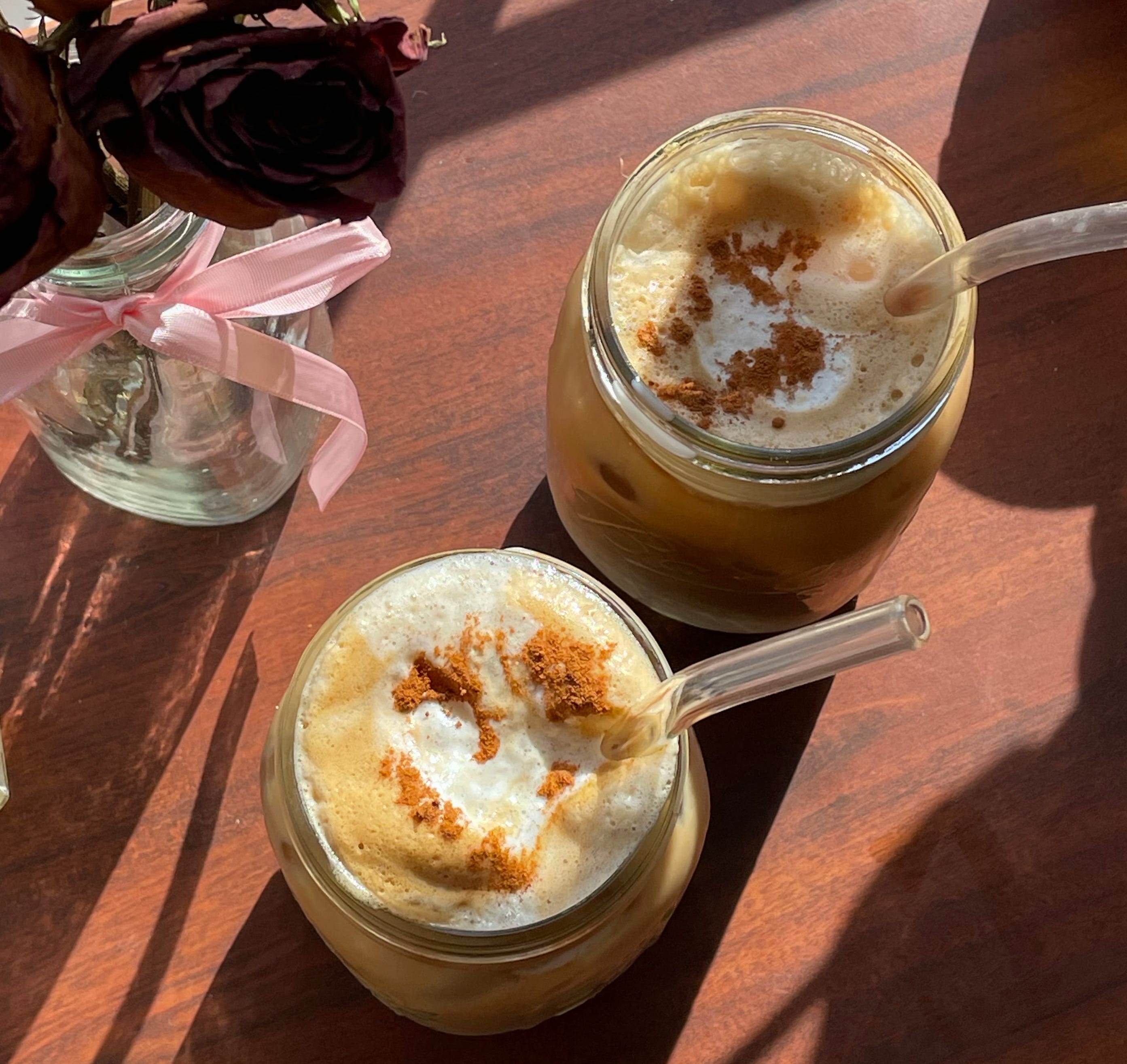
So I took it. I packed it into my suitcase (by the way, espresso machines are incredibly heavy, so it took up almost ⅓ of my check-in bag), and brought it to Argentina.
However, one week into our stay, the espresso machine broke. Water wasn’t coming out of it–it sounded like an engine that wouldn’t start. We weren’t sure what happened, but I was devastated. I looked up so many videos to try to fix it. I couldn’t imagine living without this coffee machine (silly, I know).
I was almost on the verge of tears when we found out that it was permanently broken. I didn’t know what I would do without it.
And then it hit me: why am I so reliant on this?
How was I able to spend a full year in Africa without coffee–and be completely fine–but when I had to give it up for just two months in a much more comfortable place, I couldn’t do it?
I started realizing this wasn’t really about coffee–it was about what I thought it was giving me: comfort, routine, even a small sense of happiness. Somewhere along the way, I had started to depend on it more than I realized.
And I think this tendency is more widespread than we may think.
It made me start to question: what truly brings us happiness? Does it really come from material things like money?
We actually often act like it does. For example, when someone is struggling mentally but is financially stable, the response tends to be confusion–how could they be sad? Shouldn’t what they have be enough?
But what does that really assume? That having the right things should make it impossible to feel unsatisfied.
So the question is: Where does joy come from, and how do we sustain it long-term?
During high school, our class did a one-month challenge tracking our spending habits. Throughout the month, I started noticing how quickly money disappeared on small, unnecessary things. At the same time, I became more aware of how much was already being provided for me–food, housing, education, opportunities I had never really questioned or truly valued. I became so much more thankful for what I had, and yet realized how easy it is to spend.
In psychology, there is a distinction between absolute and relative deprivation.1 Absolute deprivation is when basic needs like food, water, and shelter aren’t met–and in that case, money clearly matters. Those needs are very real, and no one should have to be deprived of basic necessities.
But on the other hand, relative deprivation is the feeling of losing something you’re used to, and that loss can feel just as real.2 You may not actually be deprived of basic necessities, but compared to your expectations, it feels deficient. That’s what my coffee machine was: not necessarily a need, but something I had grown attached to, something I had begun to rely on significantly more than I realized.
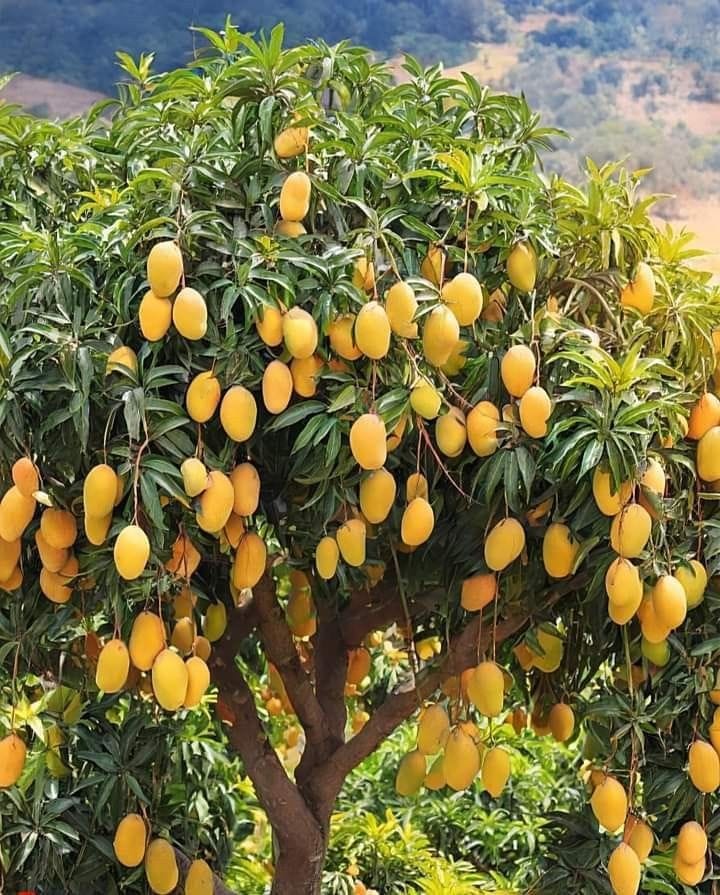
Having grown up overseas, some of my most meaningful childhood memories were formed in places without shopping malls or grocery stores, where electricity and water were limited, and life was simple. Animals ran freely throughout the village, my brother and I ran barefoot, and we picked mangos straight from the trees in our yard. But when I look back on those times, it is the deep emotional relationships with other people that highlight my childhood, and never the lack of material goods.
But the somber reality is that we live in a world where it is impossible to ignore the effect of money in our lives. It affects our opportunities, our stability, our daily lives and habits. But what we have to ask ourselves is: what priority is it really holding in our lives?
I don’t think the answer is ignoring money or pretending it doesn’t matter. But I also don’t think it was ever meant to carry the weight of our happiness.
I think that’s what often occurs—without consciously realizing it, we let our hearts attach to treasures that were never meant to give us true joy or happiness. In reality, they can’t fulfill the happiness that we strive for.
Esteemed philosopher and MacArthur “Genius” Grant recipient David Foster, addressed this topic directly. While agnostic, he came to a similar conclusion from the other side. During a college commencement speech he famously said:
“There is no such thing as not worshipping. Everybody worships. The only choice we get is what to worship. And an outstanding reason for choosing some [type of god] is that pretty much anything else you worship will eat you alive.”
He then goes on to talk about all facets of life that we try and derive our purpose or happiness from.3
Money:
“If you worship money and things—if they are where you tap real meaning in life—then you will never have enough. Never feel you have enough.”
Beauty:
“Worship your own body and beauty and sexual allure and you will always feel ugly, and when time and age start showing, you will die a million deaths before they finally plant you.”
Even power:
“Worship power—you will feel weak and afraid, and you will need ever more power over others to keep the fear at bay. Worship your intellect, being seen as smart—you will end up feeling stupid, a fraud, always on the verge of being found out.”
Scripture speaks directly to this:
“Do not store up for yourselves treasures on earth… but store up for yourselves treasures in heaven… For where your treasure is, there your heart will be also”
—Matthew 6:19–21

I am realizing that real joy, everlasting joy, ultimately never comes from something that we can purchase. When joy is rooted in something temporary, like my coffee, it dissolves as soon as we lose it. But when our joy, our foundation, is rooted in Jesus, it remains. Only in His presence can we be truly joyful.
C.S. Lewis once wrote:
“If I find in myself desires which nothing in this world can satisfy, the only logical explanation is that I was made for another world”.
And I think that’s it. The things we chase were never meant to fulfill us; they’re just reminders that we were created for something more.
“Happiness drawn from earthly sources is as changeable as varying circumstances can make it; but the peace of Christ is a constant and abiding peace.”
—Ellen White
If this piece resonated with you, you can subscribe for free to receive future posts straight to your inbox!
And if you’d like to support my work in a more tangible way, you can buy me a coffee.
Thank you for being here.
— The Renewed Mind
If you enjoyed this post, you may also enjoy these:


This was such a great reminder to store up treasures in Heaven. The things of this earth will never fully satisfy. 🤍 Thank you for sharing.
Brilliantly written. And something I was very much inspired by. It directed me to see the Christ in everything I do (worship), so that when it is gone, I don’t lose the Spirit and essence of it, because I’ll always have Jesus.
And of course also inspires me to think about things I worship which don’t represent Him at all.
What I also love is your research of Christian writers. As a seventh-day-Adventist, I’ve never come across anyone else who quotes one of its founding members other than us (Ellen White).
Thank you for inspiring my perspective, Michaela.